

- Native: Fully built using the native language for the mobile operating system (iOS and Android). These are the best type of apps, as they’re specifically developed to naturally work directly with the phone’s software.
- Hybrid: Apps that are built using a combination of native language code along with inserts and embedding of HTML code (The Internet’s native language).
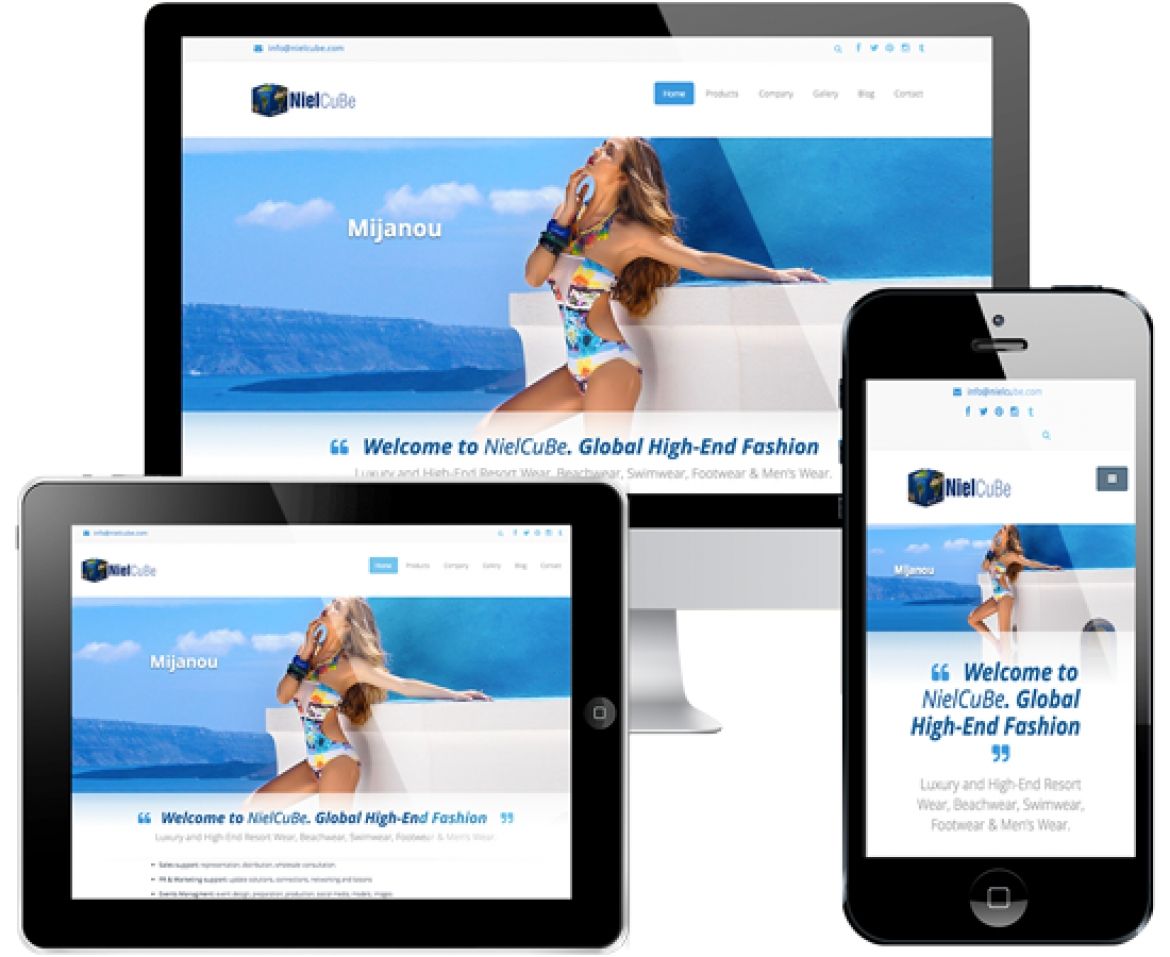
- HTML5/Javascript: These are apps that aren’t really apps, as they’re actually built using the same language needed for building a regular website. Yet, the formatting is adapted to fit a smaller screen. Most HTML5 apps are responsive websites, so that they can easily adapt to various decie screens.
How to use and install mobile apps
In order for a user to use a mobile app it must download it to his phone, install it and then open it. This is different from websites, which can simply be accessed (rather than installed) by visiting a URL address on a web browser.
Differences between Native, Hybrid, and HTML5 Apps
There are many variables to consider when choosing what type of app to build, here are a few to consider:
- Costs
- Code Reusability & Portability
- Device Access
- UI Consistency
- Distribution
- Performance
- Monetization
- Graphics
- Connectivity
- Device Access
Based on the various pros and cons of each one, your company can decide what’s the best solution for them. In the best case scenario,if you’re going to build a professional mobile App, you should build it as a Native App, which works best on your phone and has the greatest number of features. Native Apps are the most expensive to build, so based on the cost factor alone, many small businesses may choose to build a Hybrid or HTML5 app.
For more detailed information of your mobile app development options, checkout this great post. For a full comparison of mobile app types, checkout this blog post.
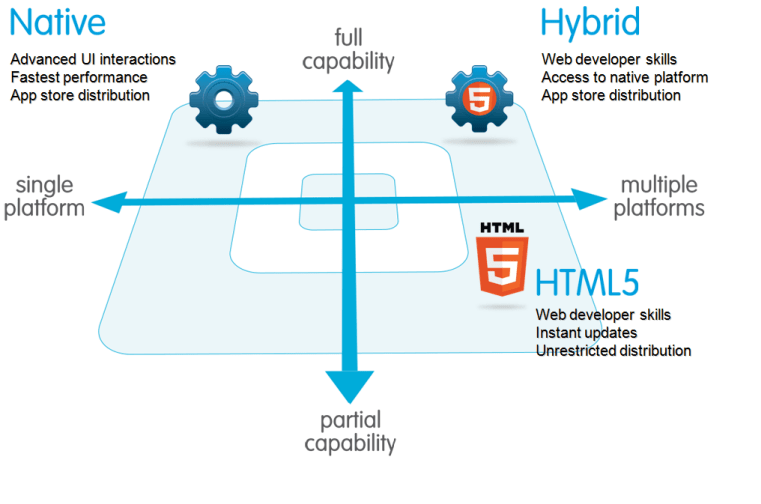
Image source: Salesforce.com
Choosing between building a website and/or a mobile app
Now that you have a better understanding of the differences between what is a website and a mobile app, it’s time to decide which one to develop for your business.
What to consider
- Goals: What do you want to achieve when users visit your website or app? What’s the main purpose of a user visiting your site or using your app?
- Features: Do you just need to provide information to your users, like a digital brochure or catalog? or do you want people to interact with your site or app to provide them with a valuable tool or service? Could your website or app benefit from using a smartphone’s features such as GPS and gyroscope?
- Monetization: Do you want to generate sales online? or just provide product and contact information so people get in touch with you? Need a secure connection for completing secure sales?
- User Accounts: Would you like each user to have their own account in order for them to access your website’s or app’s functionality and features?
- Connectivity: Will your website or app need access to the Internet in order to work?
- Accessibility: Would you like users to access your site or app from anywhere, regardless of the device and operating system?
Based on the items to consider shown above, your company will be better able to decide what they need to build. Yet, to help you out even further, take a look at the following questions.
Questions to help you pick between a website or a mobile app:
- Do you mainly want to provide users with information about your products and services? Then build a website.
- Do you want to offer a tool that will provide value to your users when they access it and use it? Then build a mobile app
- Do you want to offer both information and tools that offer great and valuable functionality? Then build a mobile app.
- Do you want users to create an account on your website or app for a personalized experience? You can build either one, as long as you programm custom functionality that allows users to signup and login to your website or app.
- Do you want to access your users’ phone information such as contacts, photos, geographic location, time, etc and/or send them notifications instantly to provide more functionality? Then build a mobile application.
- Do you want to offer something without the need of an Internet connection? Then build an app. Website all require an internet connection, but many apps don’t need Internet in order for them to work as they run on your local phone’s OS.
- Do you want to make money through ADs, subscriptions, downloads, etc? Then build a mobile app. Although you can put ADs on a website, you’ll be much closer to your users if you can access them on their phone which they have with them at all times.
- We could provide many more scenarios and questions to help you determine what’s the best choice for your company, but we’d be also happy to talk to you and learn more about your specific needs in order to help you decide. Schedule a free strategy session.
Final words - What it really comes down to:
The reality is that your company may need to build either a website, a mobile app, or both based on the goals that you’re trying to achieve. Some companies, especially small businesses, only have a website but other businesses only have an app (that’s just part of their main business model), while others have a combination of a website and a mobile app.
Some businesses offer their main product or service directly through their website (online/cloud apps), in which case the website is the main product with the greatest functionality and an optional mobile app works as a secondary product/service offering with limited functionality for mobile use.
In short, there isn’t a definitive general answer as to whether to choose a website and/or a mobile app. The real answer lies on a company’s business model, goals, budget, time frame, functionality requirements and many of the factors mentioned previously.
Have any questions or comments, feel free to share below.
